 By admin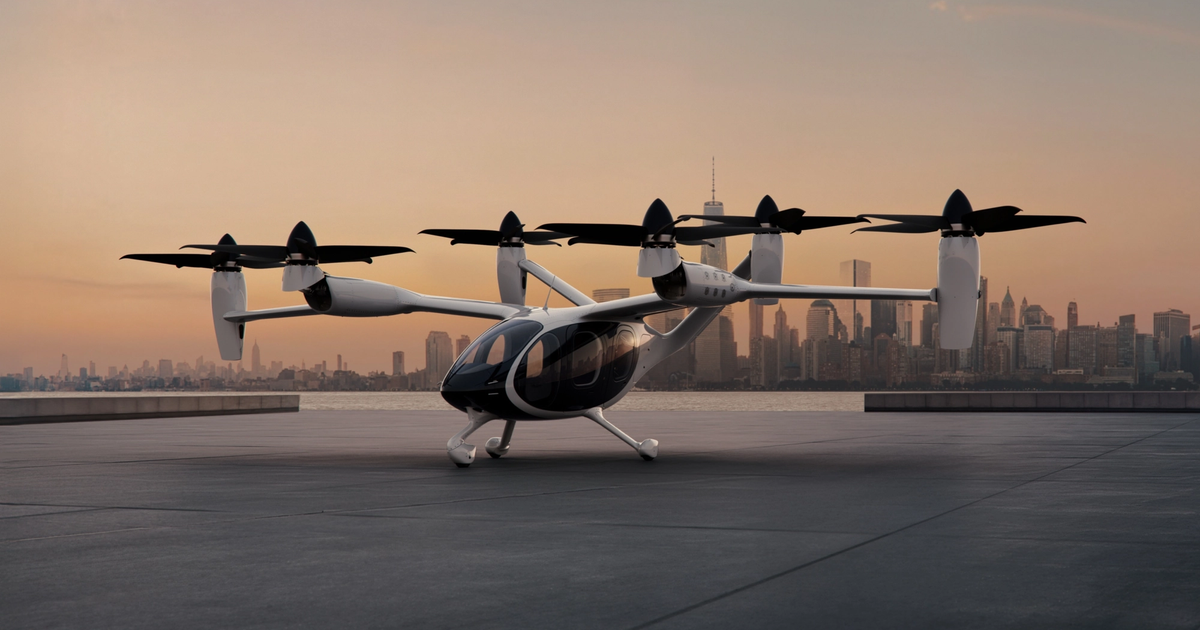
🌐 1. The Death of the Hub: AI Point-to-Point Routing
Airlines are rapidly stepping away from funneling passengers through massive, congested hub airports. [1, 2, 3]
- The Breakthrough: Carriers are deploying complex Large Language Models (LLMs) and advanced AI agents to predict hyper-localized travel demand in real time by scraping economic shifts, global event schedules, and live booking data. [1, 2]
- The Result: Instead of relying on historical seasonal data, AI allows airlines to confidently launch direct, decentralized “point-to-point” routes between smaller secondary cities. These niche paths were previously rejected as too economically risky. [1]
✈️ 2. The Transcontinental Narrowbody Boom
A massive structural shift is occurring in aircraft deployment as iconic, aging widebody twins are quietly retired. [1]
- The New Philosophy: Long-range single-aisle narrowbodies—most notably the newly inducted Airbus A321XLR—are reshaping the economics of flight. [1, 2]
- Efficiency Gains: These single-aisle jets carry fewer passengers but boast unmatched fuel efficiency and extra-long range. This lets airlines bypass massive double-aisle jets on long, transcontinental routes, keeping load factors high and ticket margins stable. [1, 2]
🔋 3. Airports Transforming into Microgrid Energy Hubs
Airports are no longer just passive transit concrete fields; they are becoming decentralized green power plants. [1]
- Smart Infrastructure: Global hubs like London City Airport are integrating massive solar arrays, battery storage, and advanced IoT sensors into unified internal electrical microgrids.
- Energy Independence: These AI-managed microgrids optimize power distribution in real time across passenger terminals. This allows airports to double their internal electricity capacity, guarantee backup operational resilience during city power failures, and seamlessly charge a rapidly electrifying fleet of ground support vehicles. [1]
🛠️ 4. Predictive Digital Twin Maintenance
With global aircraft manufacturers like Boeing and Airbus facing unprecedented, multi-year supply chain delivery backlogs, airlines cannot get new planes fast enough. [1, 2]
- Extending Fleet Life: To keep older aircraft flying safely past their planned retirement dates, the industry has turned heavily to digital twins.
- How It Works: Every physical aircraft engine is paired with a virtual cloud replica that constantly ingests live sensory data during flight. Advanced predictive engineering tells mechanics exactly which components will wear out before a failure occurs, cutting unscheduled grounding time down to nearly zero. [1, 2, 3, 4]
🚁 5. eVTOL Commercial Clearances
The long-promised era of urban air mobility (flying taxis) has crossed the boundary from experimental prototypes into real-world operations. [1, 2]
- Regulatory Milestones: Major Electric Vertical Takeoff and Landing (eVTOL) innovators, such as Joby Aviation’s S4, secured critical Type Certification clearances from civil aviation regulators.
- The Scale: Supported by massive investments from major automotive giants like Toyota and deep route partnerships with major legacy carriers, these quiet, 200 mph five-seat aircraft are preparing to launch their first official commercial commuter routes. [1, 2, 3]